Why We Keep Showing Up
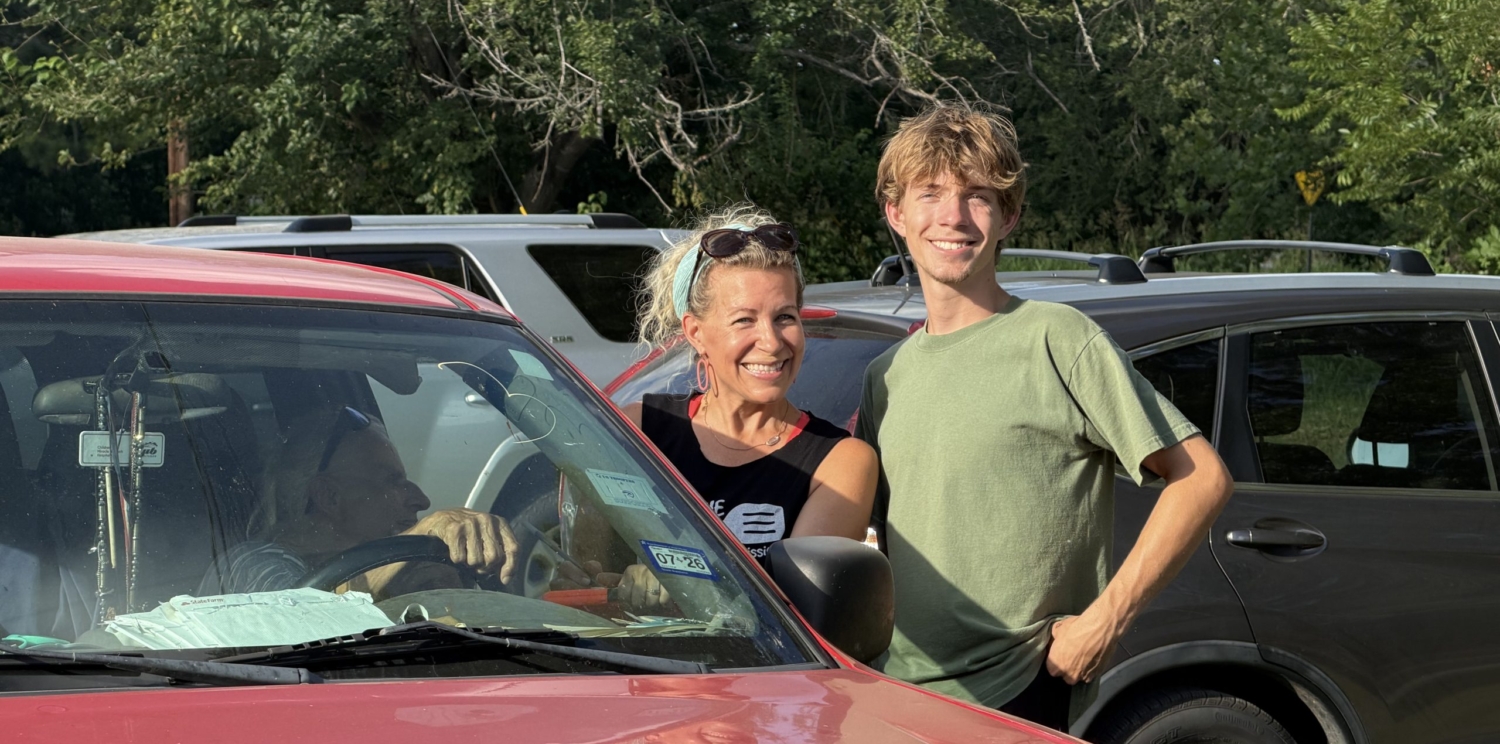
If you visit a Feed the Need Missions site for the first time, it’s easy to think the most important thing happening is the meal. Burgers are on the grill, volunteers are serving, cars are coming through, and families are eating.
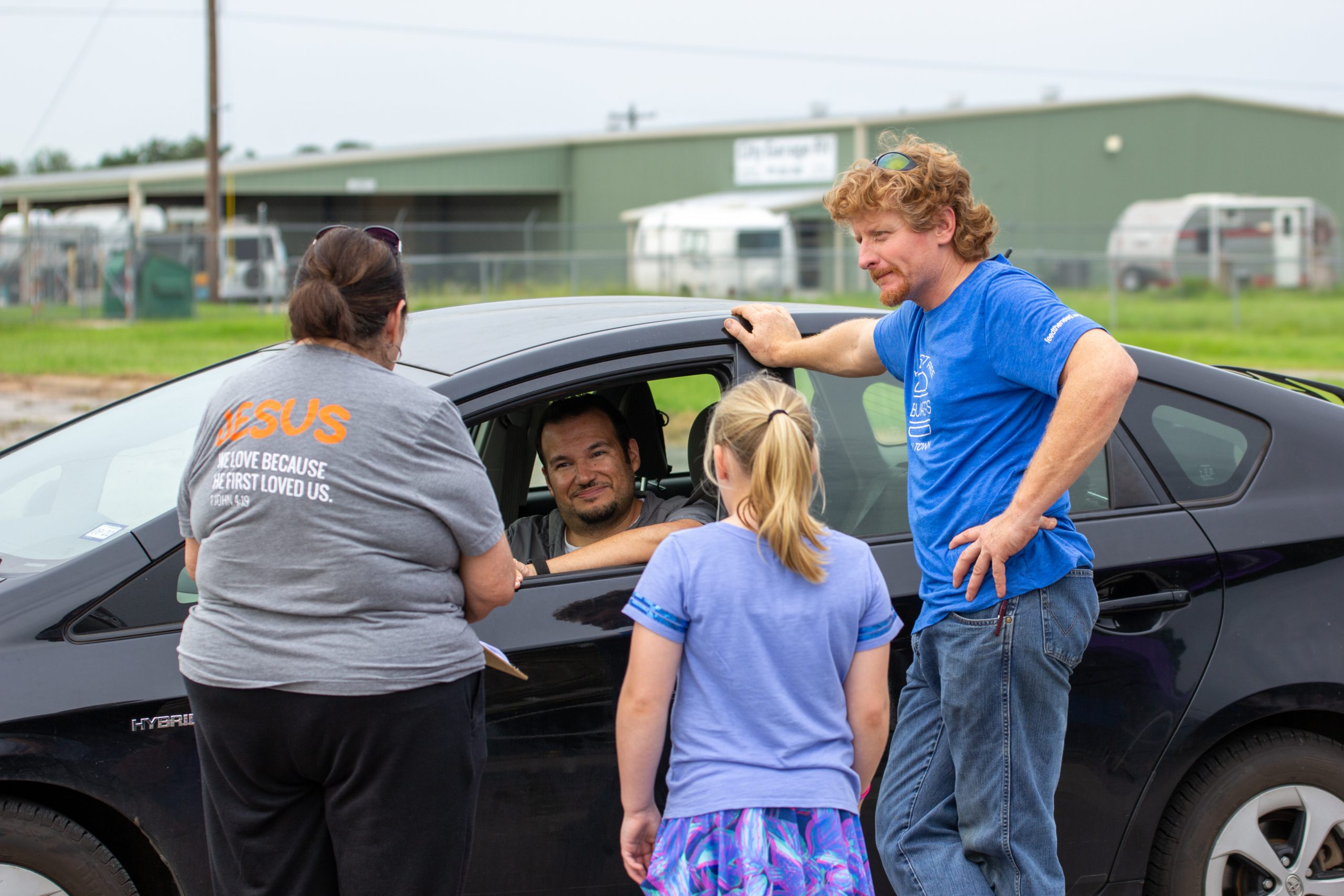
Come back six months later, though, and you’ll start to see something different. You’ll hear volunteers greeting people by name. You’ll hear someone ask, “How did that doctor’s appointment go?” Someone will notice that a regular hasn’t been there lately. A volunteer will ask about the job interview they prayed about the week before. Kids who were shy the first time they came now recognize the people waiting to greet them. And sometimes, you’ll see someone serving behind the table who used to be on the other side of it.
 That’s when you begin to understand why we keep showing up.
We’ve been serving meals through Feed the Need Missions since 2010, and one thing we’ve learned is that you can’t rush relationships. You can’t schedule trust or manufacture community, and discipleship doesn’t happen simply because we served someone a meal. It takes time.
So we do something remarkably simple. We keep coming back. Same communities. Same places. Same nights of the week. Week after week, month after month, year after year.
There are nights when the crowd is big and nights when it’s smaller. There are weeks when we have more volunteers than we need and others when everyone has to pitch in a little more. Sometimes weather or life forces a change of plans. But the commitment remains the same: keep coming back.
Because consistency builds trust, and trust opens doors.
Think about someone who has learned not to count on people. Maybe life hasn’t gone the way they expected. Maybe they’re struggling financially. Maybe they’ve made some bad decisions. Maybe they’re simply going through a difficult season and could use a little help.
Then one evening they pull into a parking lot and someone hands them dinner. They’re greeted with a smile. Someone asks their name. Maybe they have a conversation. Maybe someone offers to pray with them.
That’s meaningful. But then they come back, and we’re there again.
Over time, somebody remembers their name. Then somebody remembers their story. “How’s your mom doing?” “Did you get that job?” “How did the doctor’s appointment go?” “How can we pray for you this week?”
Little by little, something changes. They’re no longer just someone who came to get a meal. They’re someone we know. And more importantly, we’re becoming someone they trust.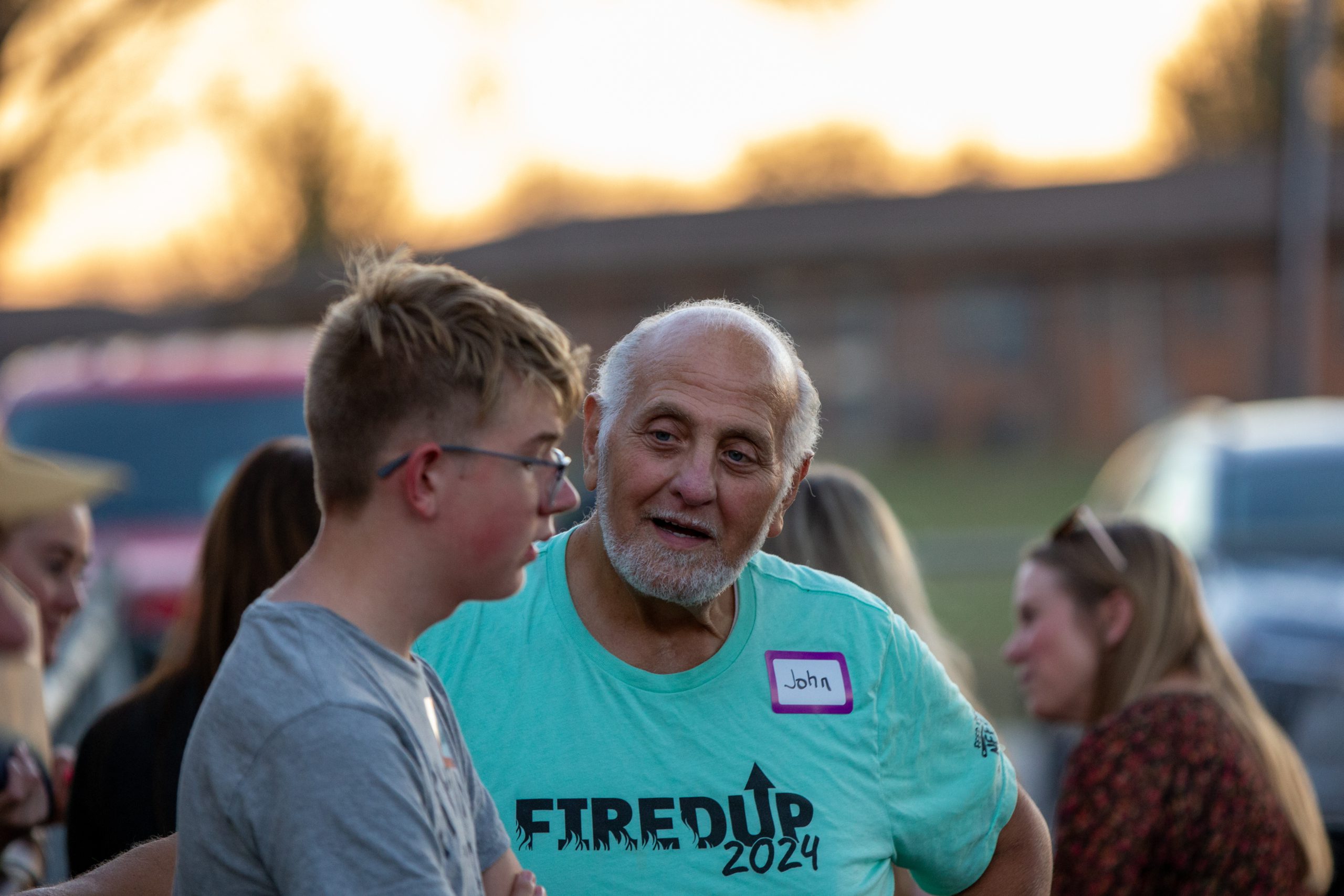
That trust matters because ultimately our desire isn’t simply to make someone’s week a little easier. We want people to know Jesus.
We believe the Gospel is the only lasting hope we have to offer. But we’ve also learned that people are often much more willing to hear about the hope we have in Christ when they know we genuinely care about them, not as a project, not as a number, and not because we’re trying to get something from them.
Paul described this same heart when he wrote to the church in Thessalonica: “we were delighted to share with you not only the gospel of God but our lives as well” (1 Thessalonians 2:8). That’s the model. The Gospel and our lives, together.
That’s where something as simple as serving a hamburger begins to become ministry.
Food matters. We want every person who comes through one of our sites to receive a good meal served with dignity. But the meal does something else that’s incredibly important: it gives us a reason to gather.
Around a grill, a folding table, or through a car window, conversations begin. Conversations become relationships. Relationships build trust. And trust creates opportunities to share the Gospel and invite people into a relationship with Jesus.
Sometimes that begins with celebrating good news. Sometimes it means listening when life is hard. Sometimes it’s praying together. Sometimes it’s sharing our own story of what Jesus has done in our lives. And sometimes it’s sitting with someone and clearly sharing the Gospel.
But we don’t want it to stop with a Gospel conversation.
Our hope is that relationships continue. That someone begins following Jesus, grows in their faith, learns what it means to live as His disciple, and eventually helps someone else do the same.
That’s disciple-making.
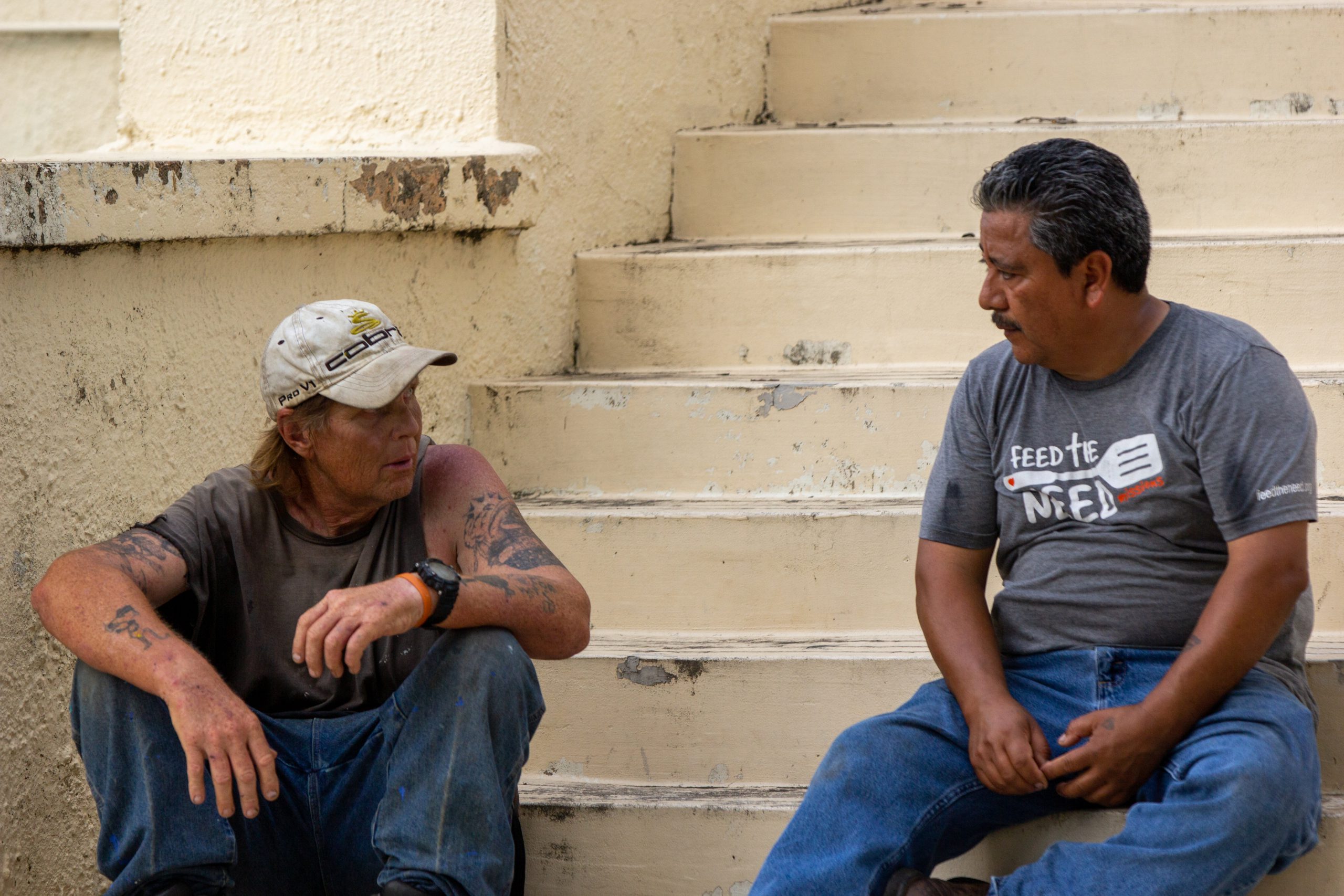 And it doesn’t only happen with the person who came for a meal.
Something happens to the person serving too.
A volunteer may arrive thinking they’re giving a couple of hours to help feed people. But as they serve alongside other believers, pray with someone for the first time, learn how to share their testimony, or have their first Gospel conversation, God begins working in them too. They grow more comfortable talking about Jesus. They begin seeing people differently. They discover that making disciples isn’t something reserved for pastors or missionaries. It’s something Jesus has called all of us to do (Matthew 28:19).
Over time, that begins to affect an entire community. Guests become friends. Friends become volunteers. Volunteers become leaders. Churches serve alongside one another. Businesses and community partners become part of what is happening. And relationships begin forming between people whose paths might otherwise never have crossed.
That’s why our mission is to mobilize believers to feed people physically and spiritually while building disciple-making relationships.
Every part of that statement matters.
The physical meal meets a real need and brings people together. The spiritual meal points people toward the hope of Jesus. And the relationships allow us to keep walking alongside one another long after the burger is gone.
Since 2010, Feed the Need Missions has served more than two million meals. That’s a number we’re incredibly grateful for, but there’s something behind that number that’s much harder to count: the conversations, the prayers, the Gospel shared, the friendships built over months and years, the volunteers who have grown into leaders, the guests who eventually became volunteers themselves, and the people who are learning what it means to follow Jesus and help others follow Him too.
Those things don’t fit neatly into a spreadsheet, but they’re the reason we do what we do.
There may be faster, more efficient ways to hand someone a meal. But handing out the most meals in the shortest amount of time has never been the goal.
People are.
That’s why we slow down. We ask another question. We learn a name. We listen to the answer. We pray when we have the opportunity. We share the Gospel. And we keep coming back.
Because we don’t keep showing up simply because people need a hamburger. We keep showing up because relationships take time, trust opens doors, and we want people to know and follow Jesus.
And sometimes disciple-making begins with something as simple as being there long enough for someone to know you mean it.


Leave a Reply
Want to join the discussion?Feel free to contribute!